Power and data distribution are no longer secondary considerations in building design.
As workspaces evolve, infrastructure must support flexibility, security, and long-term performance without compromising structure or aesthetics.
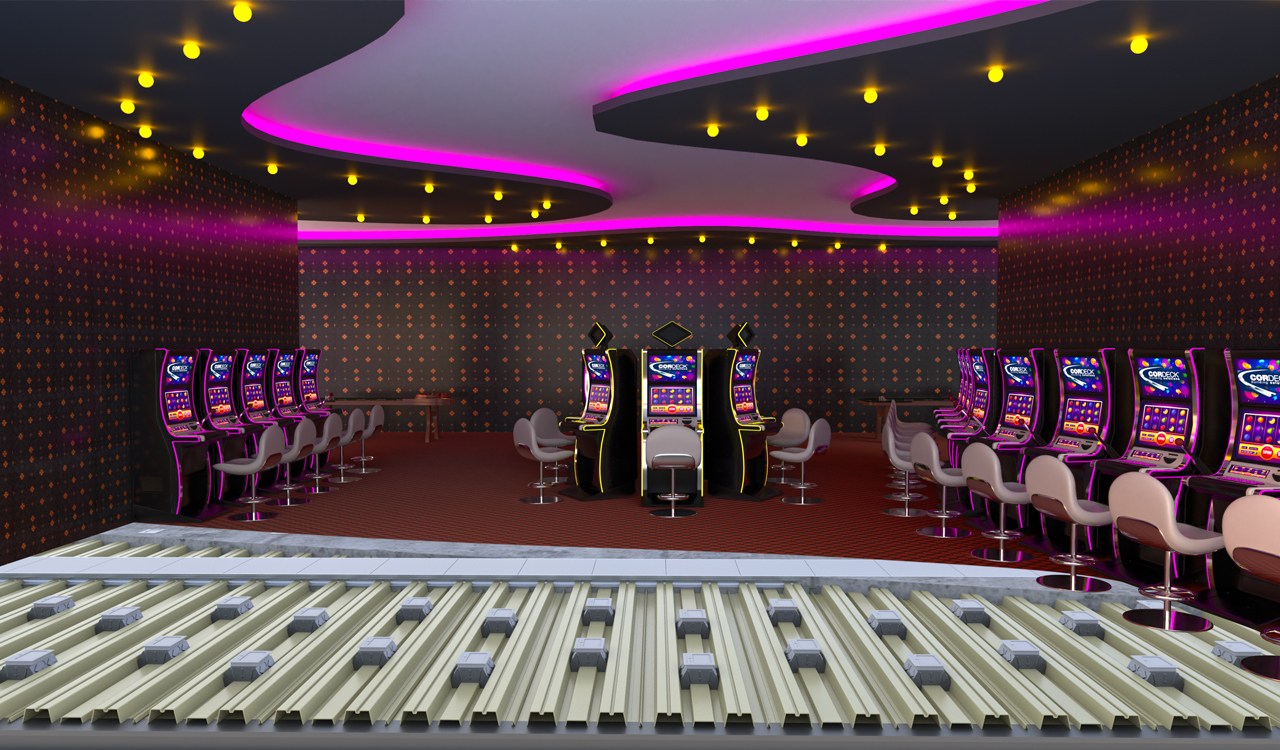
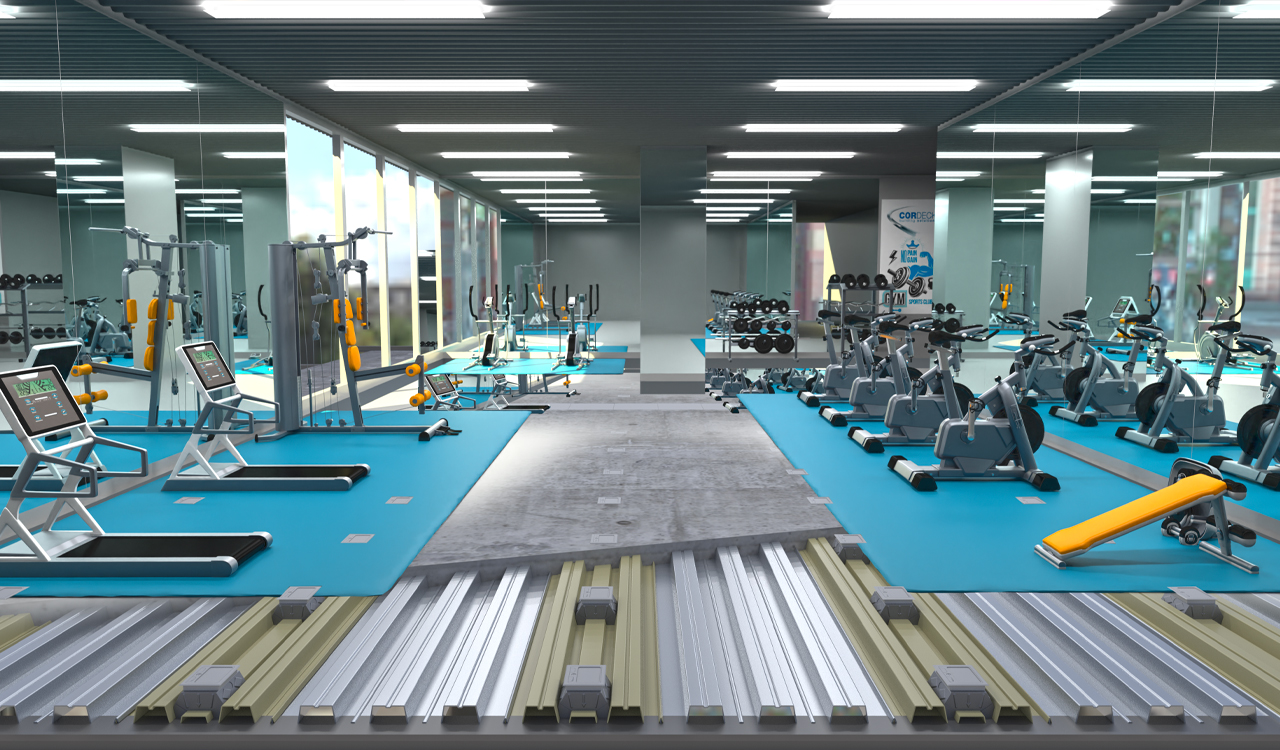
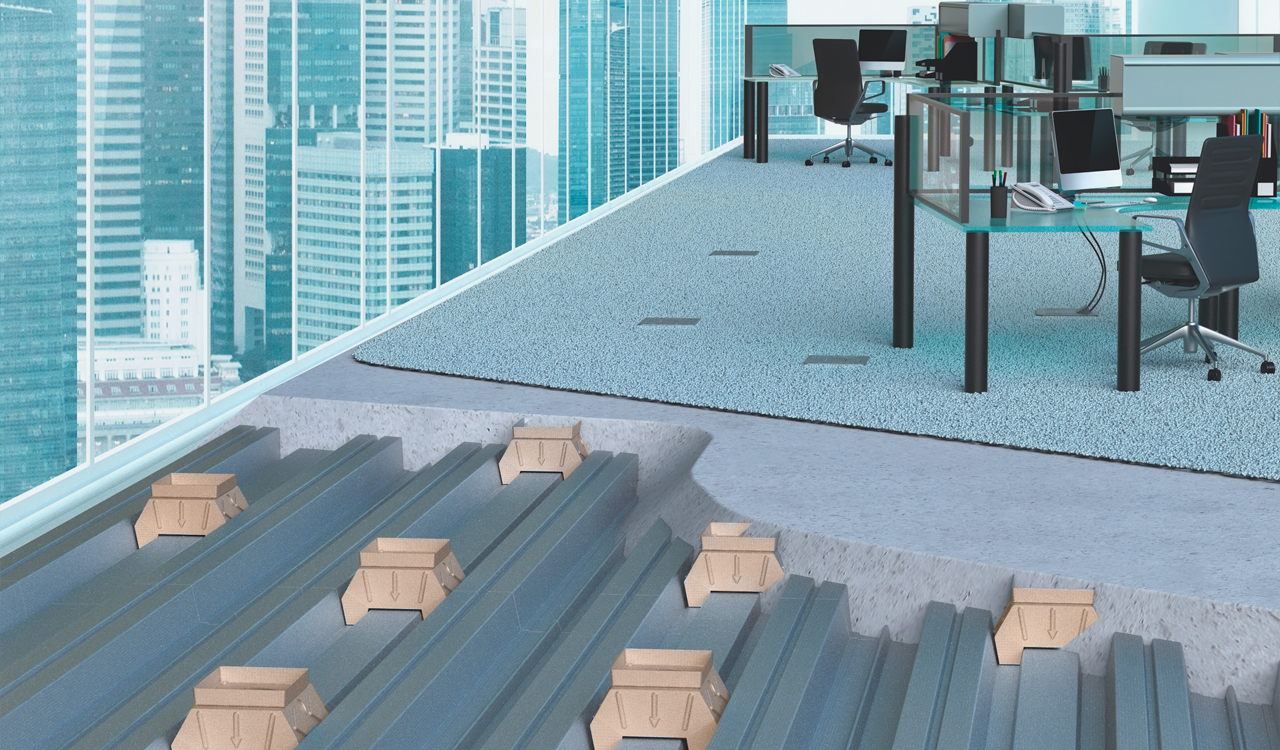
Cordeck’s In-Floor Cellular Raceway System integrates power and data management directly within the structural slab. This four-part system distributes access precisely where it is needed while keeping essential infrastructure organized, secure, and adaptable for the future.
Here are the top 10 reasons design professionals continue to specify In-Floor Cellular Raceway Systems.
1. Elimination of the Two-Pour Slab
Traditional underfloor systems often require a second concrete pour, increasing labor, time, and material costs. Cellular raceways integrate directly with the structural metal deck, allowing for a single pour.
This streamlines construction and reduces scheduling complexity.
2. Structural and Wire Management Integration
The system serves a dual purpose. It functions as both the building’s floor structure and its electrical distribution network.
This integration optimizes material use and simplifies coordination between structural and electrical teams early in the design process.
3. Future-Proofing with Preset Technology
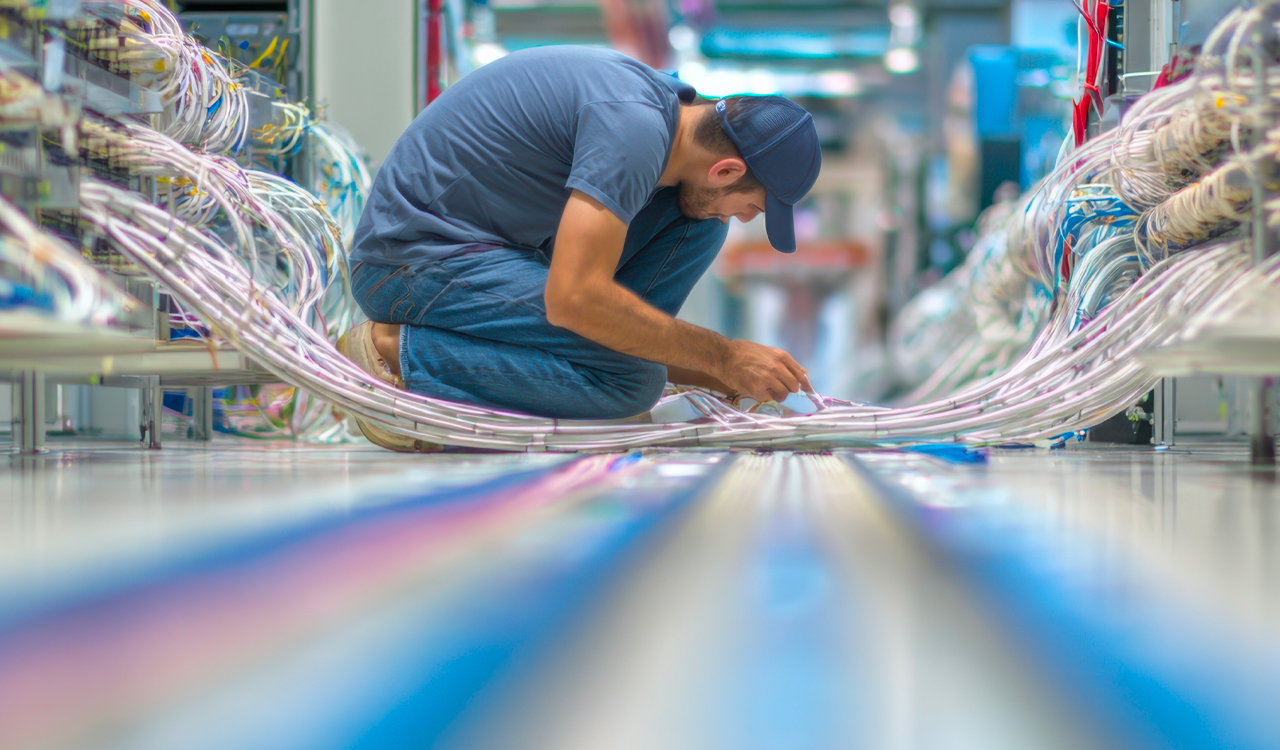
Embedded presets provide single-point access to power and data without core drilling.
As office layouts and tenant requirements change, these presets can be activated along the raceway without invasive demolition. The result is long-term adaptability built directly into the slab.
4. Maximum Security for Critical Infrastructure
Power and data cables are encased within structural steel and concrete, offering superior protection against tampering and accidental damage.
Unlike overhead trays or raised access floors, infrastructure remains secured within the building’s structure.
5. Maintained Floor-to-Ceiling Heights
Because power and data are housed within the structural slab, there is no need for bulky overhead cable trays or raised floor plenums.
Developers can maintain optimal ceiling heights or potentially reduce overall building height without sacrificing performance.
6. Superior Aesthetics for Open-Concept Design
Infloor systems eliminate visible power poles and surface-mounted conduit.
This supports clean architectural lines and modern open-concept layouts where visual continuity matters.
7. Support for High-Density Smart Building Technology
Modern facilities rely on IoT sensors, automation systems, and high-capacity data networks.
Cellular raceways provide the infrastructure capacity required to support high data loads and evolving smart building technologies.
8. Reduced Electromagnetic Interference
The metal encasement of the cellular system acts as a natural shield against electromagnetic interference.
This improves reliability for high-speed fiber and copper networks, particularly in environments requiring consistent data performance.
9. LEED and Sustainability Contributions
Infloor cellular systems reduce the need for additional materials such as raised floor panels and minimize waste during future reconfigurations.
Their long-term durability and adaptability support sustainable building practices and lifecycle efficiency.
10. Lowest Life-Cycle Cost
While initial project costs vary by scope, the elimination of future core drilling and invasive demolition significantly reduces long-term expenses.
Ease of maintenance and built-in flexibility result in a lower total cost of ownership over the life of the building.

The Cordeck Advantage
Established in 1994, Cordeck manufactures In-Floor Cellular Raceway Systems designed to integrate power and data distribution directly into the building structure. With more than 50 years of construction industry experience and eight strategically located facilities, Cordeck delivers dependable solutions nationwide.
Our four-part system ensures essential spaces remain organized, secure, and accessible, while providing the structural efficiency and adaptability required in modern building design. Call a Dexpert® today at 877-857-6400 or send us an email at [email protected] to review your next project and experience the Cordeck difference.