What Contractors, Engineers, and Project Managers Need to Know
When it comes to commercial construction, fire safety isn’t an afterthought. It shapes material selection, structural systems, and code compliance from the earliest stages of a project. As one of the nation’s leading steel deck manufacturers, Cordeck has been helping contractors, engineers, and project managers work through these decisions since 1994.
Understanding how steel deck contributes to a building’s fire rating is essential to specifying the right system and delivering a structure that meets both performance and code requirements. When specified and installed correctly as part of a complete assembly, it plays an active role in a building’s fire resistance. From composite floor deck systems in multi-story office buildings to roof deck applications in industrial facilities, the type of deck you specify and how it’s assembled directly affects the fire rating your building can achieve. It starts with understanding what makes steel inherently resistant to fire.
The Inherent Fire Resistance of Steel
Steel has natural fire resistant properties. Unlike wood, steel doesn’t burn, warp, or release toxic fumes when exposed to fire, which makes it a reliable choice for commercial and industrial structures where fire safety is a priority. Its melting point is significantly higher than other common building materials, giving it a built-in performance advantage under heat. These properties are a big part of why metal decking is so widely trusted across commercial construction.
Structural Integrity Under Fire Exposure
Steel holds up under elevated temperatures better than many other materials, but prolonged exposure to extreme heat can begin to reduce its strength. Unprotected steel can start to lose a significant portion of its load-bearing capacity at high temperatures.
A properly designed fire-rated deck system works as a complete assembly, combining multiple components to slow heat transfer and maintain structural performance for a defined period. Getting that assembly right from the start is one of the most practical ways to meet fire performance requirements without adding cost or schedule pressure down the line.
How Composite Concrete Supports Fire Ratings
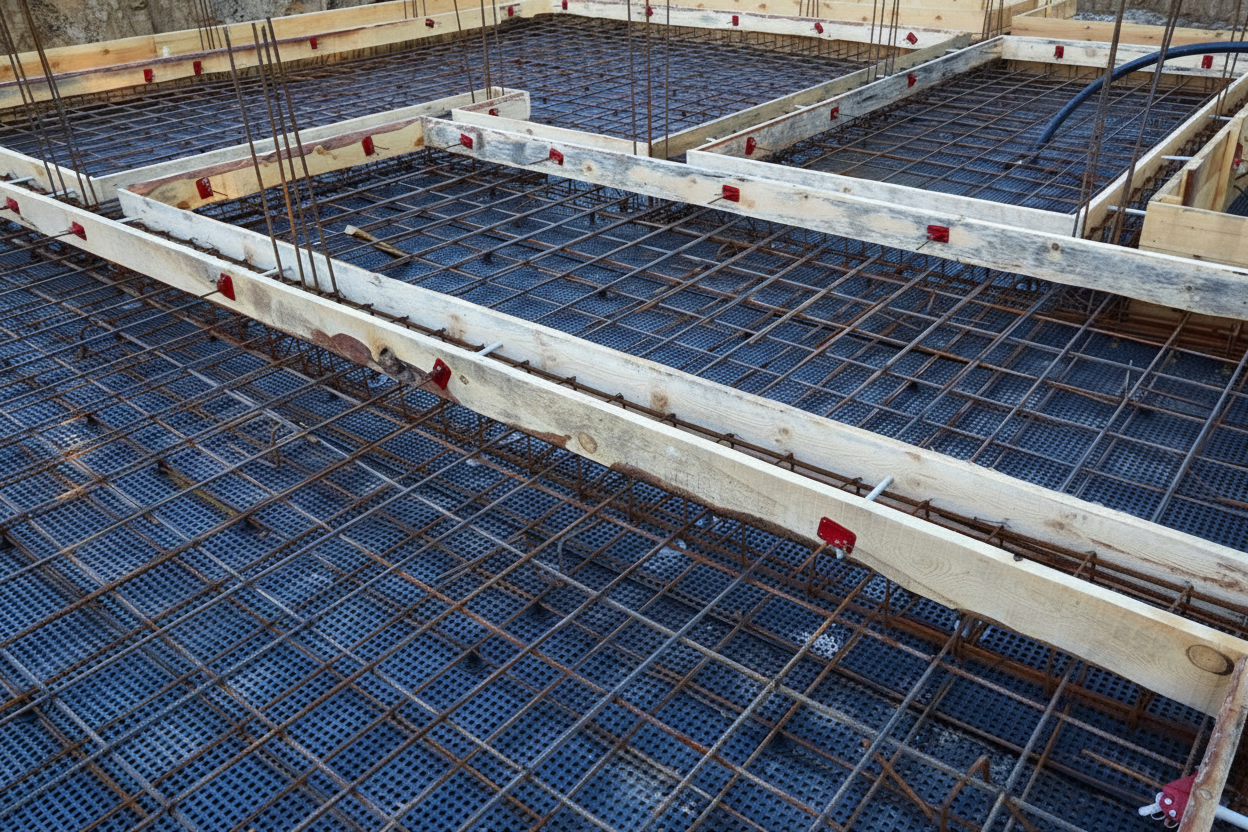
Concrete is the biggest contributor to a steel deck assembly fire rating. In a composite deck system, the concrete layer provides critical mass that absorbs heat and insulates the steel below, slowing how quickly the deck reaches dangerous temperatures. That thermal buffering is what allows composite assemblies to achieve meaningful fire ratings without relying on the steel alone.
The type and thickness of concrete matters. Normal weight concrete and lightweight concrete each bring different thermal properties to the system. Heavier concrete provides more mass and absorbs more heat, while lightweight concrete offers a practical balance of fire resistance and reduced structural load. Knowing how those variables interact is essential when designing an assembly to hit a specific fire rating.
Thermal Capacity and Gauge Selection
Gauge selection plays a bigger role in fire performance than it often gets credit for. Heavier steel gauges have greater thermal mass, meaning they take longer to heat through to the point of structural compromise. When fire performance is a priority, gauge should be part of the conversation alongside concrete thickness, fireproofing specs, and ceiling assembly requirements early in design, not treated as a secondary spec decision.
Going with a heavier gauge may add modest cost upfront, but it can meaningfully reduce reliance on supplemental fireproofing. Design teams working through these tradeoffs will also find fire resistance and safety standards in steel composite decking systems a useful reference when evaluating their options.
UL Listed Assemblies and What Fire Ratings Mean
Fire ratings for steel deck assemblies are expressed in hours. They indicate how long a tested assembly can withstand standardized fire exposure while maintaining structural integrity. Ratings are determined through procedures like ASTM E119 and UL 263, and assemblies that pass receive a UL designation specifying the exact materials, thicknesses, and installation methods required to maintain that rating in the field.
The three most common rating levels in commercial construction break down like this:
Cordeck’s metal deck products are SDI certified, FM Approved, and ICC-ES listed. Building officials review and approve fire rated assemblies during permitting, so proper documentation and specification of UL listed products is critical to keeping projects on schedule and avoiding costly rework.
Understanding how fire rated deck systems are configured and how the SDI evaluates fire resistance ratings are both solid starting points for teams working through assembly specifications.
Explore Our Complete Line of Metal Deck Products
Work With a Trusted Metal Deck Partner
Fire ratings are the result of many variables working together, and having the right materials on hand when you need them is a critical part of getting the assembly right. At Cordeck, our DEXPERTS® team has spent more than three decades supporting contractors, engineers, and project managers with product knowledge, fast turnaround, and dependable delivery. With eight strategically located facilities across the country and next-day delivery available nationwide, we are here to support your project from the first call to the final delivery.