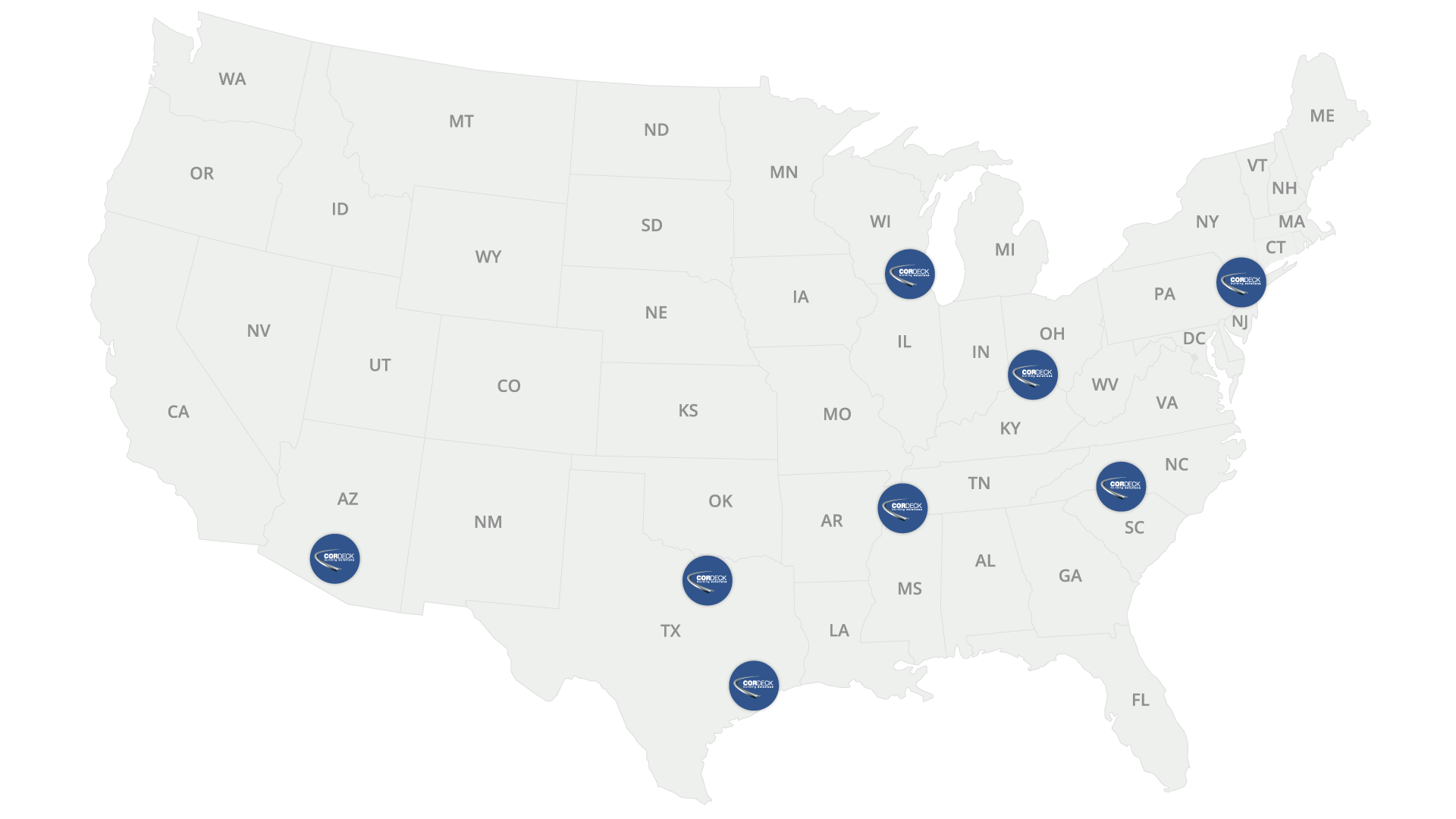
At Cordeck, we’re committed to delivering high-quality metal decking, accessories, and fabrication services to construction teams across the United States from our eight strategically positioned facilities.
Since 1994, we’ve been a trusted manufacturer of corrugated metal decking, steel deck accessories, in-floor cellular raceway systems, and precision laser cutting services — supporting projects of all sizes with reliability and expertise.
In this article, we break down the most important commercial construction trends for 2026 that will shape the built environment, influence project planning strategies, and drive demand for steel decking solutions like ours.
1. Commercial Construction Growth and Market Outlook
The U.S. commercial construction market in 2026 is forecast to post modest overall growth, driven by investment in key sectors such as data centers, healthcare facilities, logistics hubs, and infrastructure upgrades. Nonresidential construction is expected to grow by roughly 2–4%, while some commercial segments like warehouses and office space rebound with more robust activity.
Factors shaping this outlook include federal policy impacts, cost pressures, and a shifting economic landscape that places a premium on risk management and project certainty.
2. Continued Demand for Technology and Mission-Critical Buildings
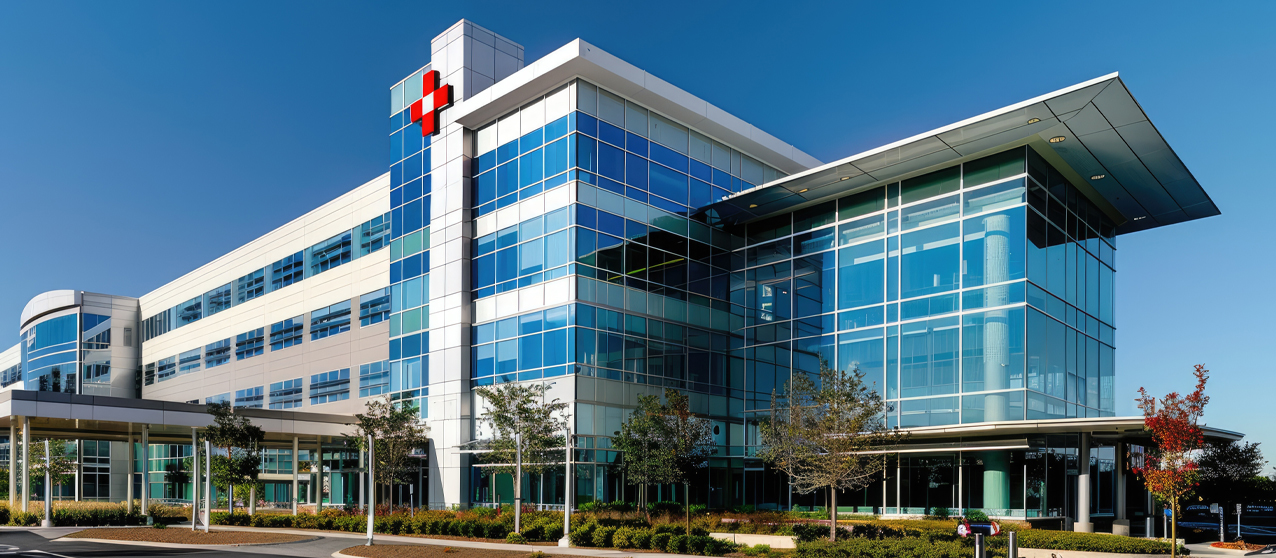
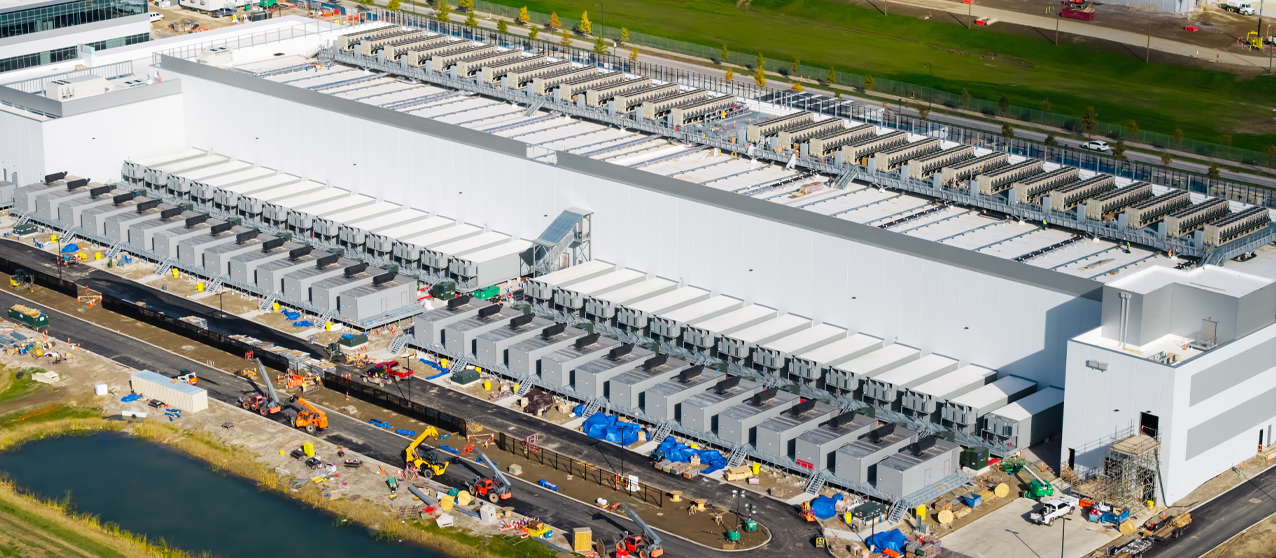
Like 2025, the demand for data centers, labs, and mission-critical facilities remains strong going into 2026. These sectors are fuelled by the ongoing adoption of AI, cloud infrastructure, and high-performance computing — all requiring specialized commercial builds with rigorous structural and performance standards.
This trend bolsters demand for components such as metal decking in complex floor systems, where strength and integration with concrete provide key structural advantages.
3. Workforce, Labor Shortages, and Skills Development
Labor constraints remain a defining challenge shaping construction in 2026. The industry continues to compete for skilled tradespeople, driving up wages and prompting wider adoption of training programs, apprenticeships, and retention initiatives.
With labor supply tight, contractors and subcontractors alike are increasingly turning to prefabrication and modular construction techniques — including on-site fabrication of cutting to order, flashings and laser services — to maintain productivity and shorten schedules.

4. Supply Chain, Material Costs, and Risk Management
Material cost volatility remains top of mind for contractors in 2026, influenced by global commodity shifts, tariffs, and logistical pressures. Expert forecasts emphasize strategic cost control and supply chain diversification to protect margins and stabilize project delivery.
Cordeck’s national footprint and inventory of steel decking and accessories help mitigate supply risk for customers by offering consistent availability and responsive service across markets.
5. Digital Tools, Automation, and Productivity Tech
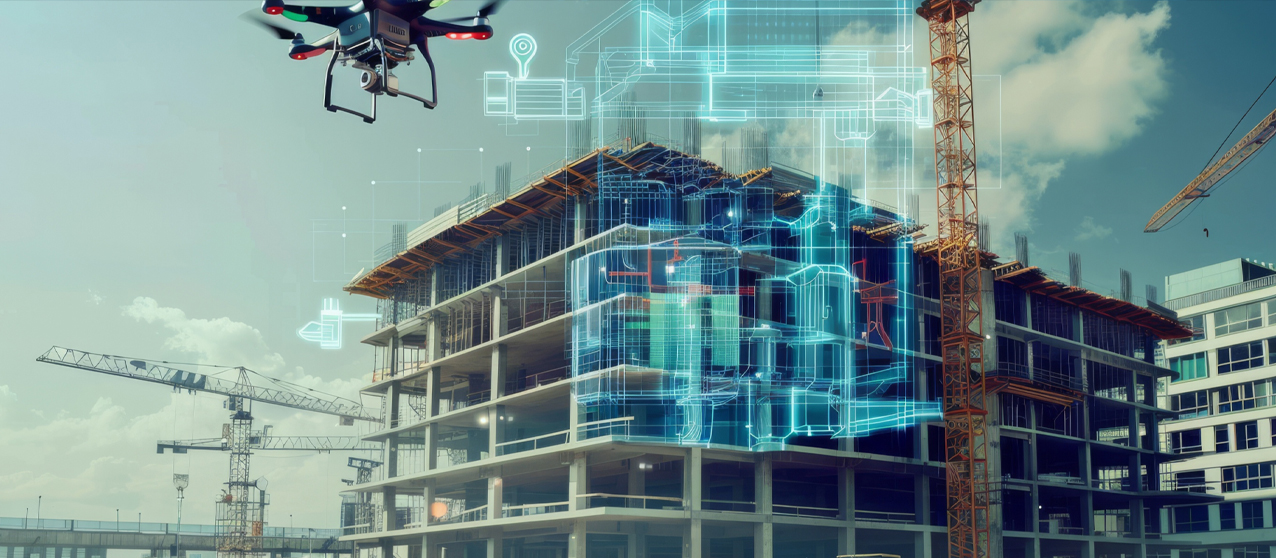
Digital transformation continues to reshape how commercial construction teams plan, build, and execute jobs. In 2026, tools such as AI-assisted project controls, building information modeling (BIM), and advanced documentation systems are advancing beyond pilot stages into everyday workflows.
These technologies enhance scheduling accuracy, improve communication among stakeholders, and enable better forecasting that impacts everything from bid strategies to on-site sequencing.
6. Sustainability, Green Building, and Resilient Design
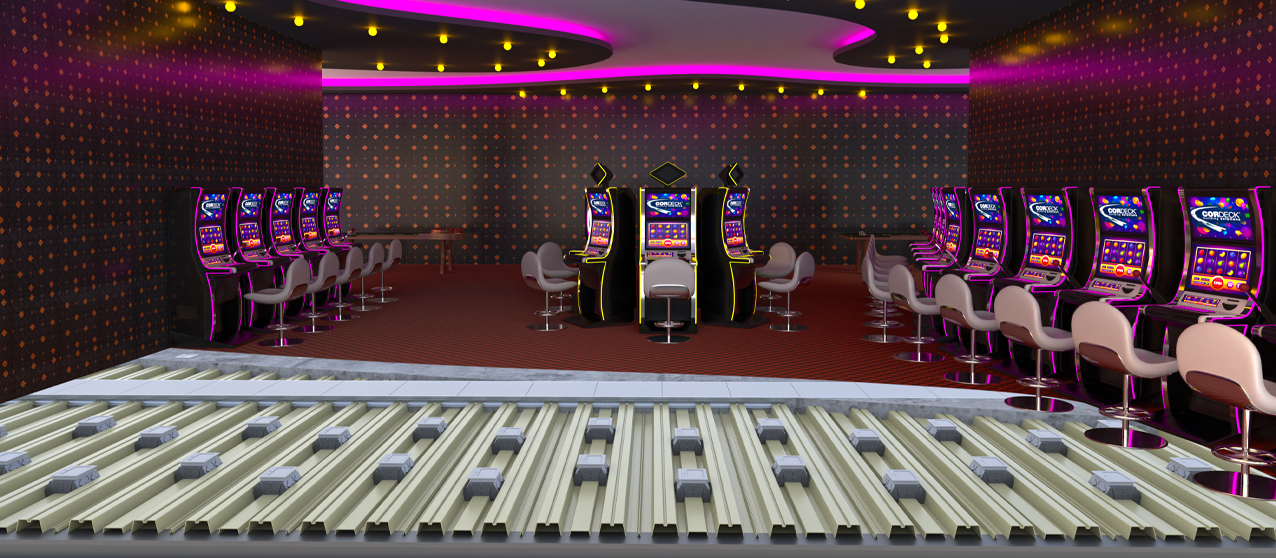
Sustainability remains a major theme for commercial construction in 2026, with stronger focus on low-carbon materials, energy-efficient systems, and resilient design practices. Owners and developers increasingly prioritize projects that reduce lifecycle costs and improve environmental performance, like our In-Floor Raceway Systems.
Metal decking plays a role in these goals by contributing to durable, recyclable structural assemblies that align with broader sustainability targets.
7. Sector Opportunities: Healthcare, Logistics, and Infrastructure
Certain sectors show especially strong momentum in 2026:
- Warehouse/Data Storage Facilities and Distribution Center: These will be the biggest drivers of new commercial business in 2026.
- Rehab of Commercial Buildings: The repair and remodel of commercial buildings will be a big driver for 2026.
Each of these project types often involves large floor plates and structural requirements where metal decking solutions are highly suited for performance and efficiency.

Final Takeaway
The 2026 commercial construction landscape blends prudent optimism with pragmatic planning. Growth sectors persist alongside challenges in labor, cost, and supply chain stability. Organizations that leverage data-driven insights, efficient materials, and strategic partnerships will be best positioned to succeed in this evolving market.
At Cordeck, we remain focused on supporting your projects with dependable products, expert engineering, and service excellence that help you build smarter and more effectively in 2026 and beyond.